Electric mobility in India is no longer confined to metros. Tier-2 and Tier-3 cities are rapidly emerging as the next growth engine for EV adoption—driven by economics, necessity, and policy alignment.
Why Smaller Cities Are Leading the Shift
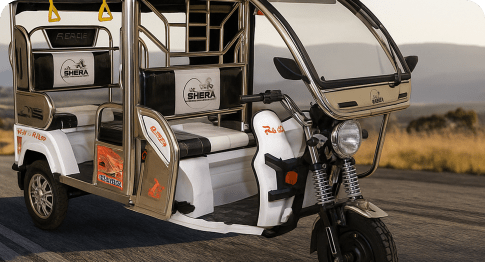
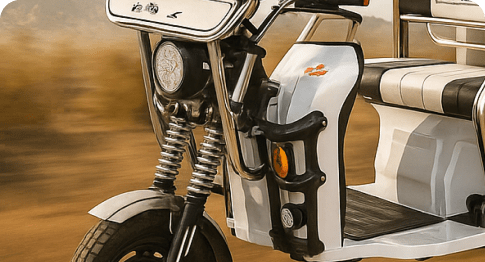
Rising fuel costs, shorter daily travel distances, and cost-sensitive commercial users make EVs a natural fit for non-metro markets. Electric three-wheelers and commercial EVs deliver significantly lower running costs, enabling faster income recovery for operators.
Infrastructure Is No Longer a Barrier
Contrary to perception, Tier-2 and Tier-3 cities benefit from simpler charging ecosystems. Home and depot charging meet most use cases, reducing dependence on public infrastructure and lowering operational friction.
Strong Policy & Local Support
State incentives, reduced registration costs, and local government support are accelerating adoption. EVs are also becoming a preferred solution for last-mile connectivity and urban mobility in growing cities.
The Sheraindia Opportunity
At Sheraindia EV Company, we see Tier-2 and Tier-3 cities as core markets, not secondary markets. Our EV solutions are engineered for durability, affordability, and real-world Indian conditions—empowering drivers and businesses to transition with confidence.
Conclusion
Electric mobility in smaller cities is not a future trend—it is a present reality. The momentum is clear, and the opportunity is substantial.